– Kaohsiung Medical University Chung-Ho Memorial Hospital –
Precision medicine is a key trend in global healthcare. As Taiwan enters a super-aged society, Kaohsiung Medical University Chung-Ho Memorial Hospital (KMUH) has actively participated in the Taiwan Precision Medicine Initiative (TPMI), led by Academia Sinica, since 2019. By translating clinical evidence into genomic research applications, the KMUH team has produced results that have attracted international attention, with publications in top journals such as Nature, Nature Communications, and Science. These achievements highlight KMUH’s leadership and research capabilities in precision medicine on the global stage.
Since obtaining Institutional Review Board (IRB) approval in October 2019, KMUH’s TPMI team began enrolling participants in November of the same year. By the end of 2023, over 46,000 participants across 32 medical subspecialties—including internal medicine, surgery, obstetrics, and pediatrics—had been recruited. The program involves 38 research teams and over 300 clinicians and researchers, making it the largest and most comprehensive precision medicine research network in southern Taiwan.
KMUH President Ming-Long Yu emphasized that the hospital system has long adhered to a patient-centered approach, integrating clinical care with research innovation to advance precision medicine and smart healthcare. To promote genomic research in southern Taiwan, KMUH also established the Center for Applied Genomics in 2019, the only team in southern Taiwan capable of independently conducting TPMI genomic analyses. In addition to processing KMUH samples, the center assists Academia Sinica with over 30,000 samples from collaborating hospitals, building significant technical expertise and establishing a national-level research hub.
Superintendent Jaw-Yuan Wang of KMUH stressed that the TPMI marks a historic milestone in Taiwanese medical research, signaling the nation’s shift from “following the world” to “leading Asia.” Previously, most polygenic risk models were based on European or American data, which are less accurate for Asian populations. By partnering with Academia Sinica, KMUH helped establish a Taiwan-centered genomic database, successfully developing disease risk prediction models tailored for the Han Chinese population. This allows earlier detection of disease risk and provides Asia with its first region-specific genomic health map. Superintendent Wang further noted that as a university-affiliated hospital and medical center, KMUH not only leads in clinical care but also serves as a critical driver of national-level research. Over the past five years, KMUH has completed over 500 clinical trials and more than 1,000 international collaborative studies, leveraging real-world clinical data to advance personalized medicine for public health.
Professor Yu-Chih Chung, TPMI Principal Investigator at KMUH, explained that applying polygenic risk models developed for Western populations to Asian populations can result in a 30–50% deviation in disease risk prediction. This highlights the importance of integrating and comparing multi-ethnic data for future precision medicine. KMUH continues to collaborate with Academia Sinica and international research teams, promoting cross-population data sharing to advance the global applicability of precision medicine.
The KMUH TPMI encourages cross-team research collaborations, integrating university and hospital resources to utilize the TPMI database for advancing precision medicine. These collaborations foster exchanges between clinicians and basic researchers, combining genomics, proteomics, and clinical data to explore disease mechanisms, drug response differences, and early diagnostic markers, driving clinically actionable research outcomes.
Key TPMI publications led or co-led by KMUH researchers include:
Nature: “The Taiwan Precision Medicine Initiative: a cohort for large-scale studies”
Nature: “Population-specific polygenic risk scores developed for the Han Chinese”
Nature Communications: “Clinical impact of pharmacogenetic risk variants in a large Chinese cohort”
Science: “Kidney multiome-based genetic scorecard reveals convergent coding and regulatory variants”
Seven KMUH TPMI co-principal investigators also serve as leaders of Academia Sinica’s TPMI research groups, covering topics such as colorectal tumors, neuromuscular diseases, urologic disorders, hepatitis C, sleep disorders and epilepsy, hip diseases, and environmental pollution.
KMUH TPMI research teams are generating impactful results across multiple clinical domains. For example, Dr. Yuan-Han Yang’s neurology team studied the relationship between age, sex, and the APOE gene in Alzheimer’s disease. Involving nearly 1,800 normal and Alzheimer’s participants, the study confirmed that in the Taiwanese population, the APOE4 gene has a stronger effect in men over 75 and in women under 75, with findings published in international journals.
In clinical and digital applications, KMUH developed the TPMI Medication Alert System to support clinician decision-making and patient medication safety. TPMI participants can also access their individual research results via the KMUH TPMI online platform, gaining insights into personal health risks and lifestyle recommendations. Participants seeking further consultation can contact the KMUH TPMI team for guidance from specialized clinicians or pharmacogenomics-trained pharmacists. Through these initiatives, KMUH has positioned southern Taiwan as a hub of precision medicine while showcasing Taiwanese research on the international stage. The hospital continues to integrate clinical, academic, and technological resources to ensure safe, effective, and personalized healthcare for all.
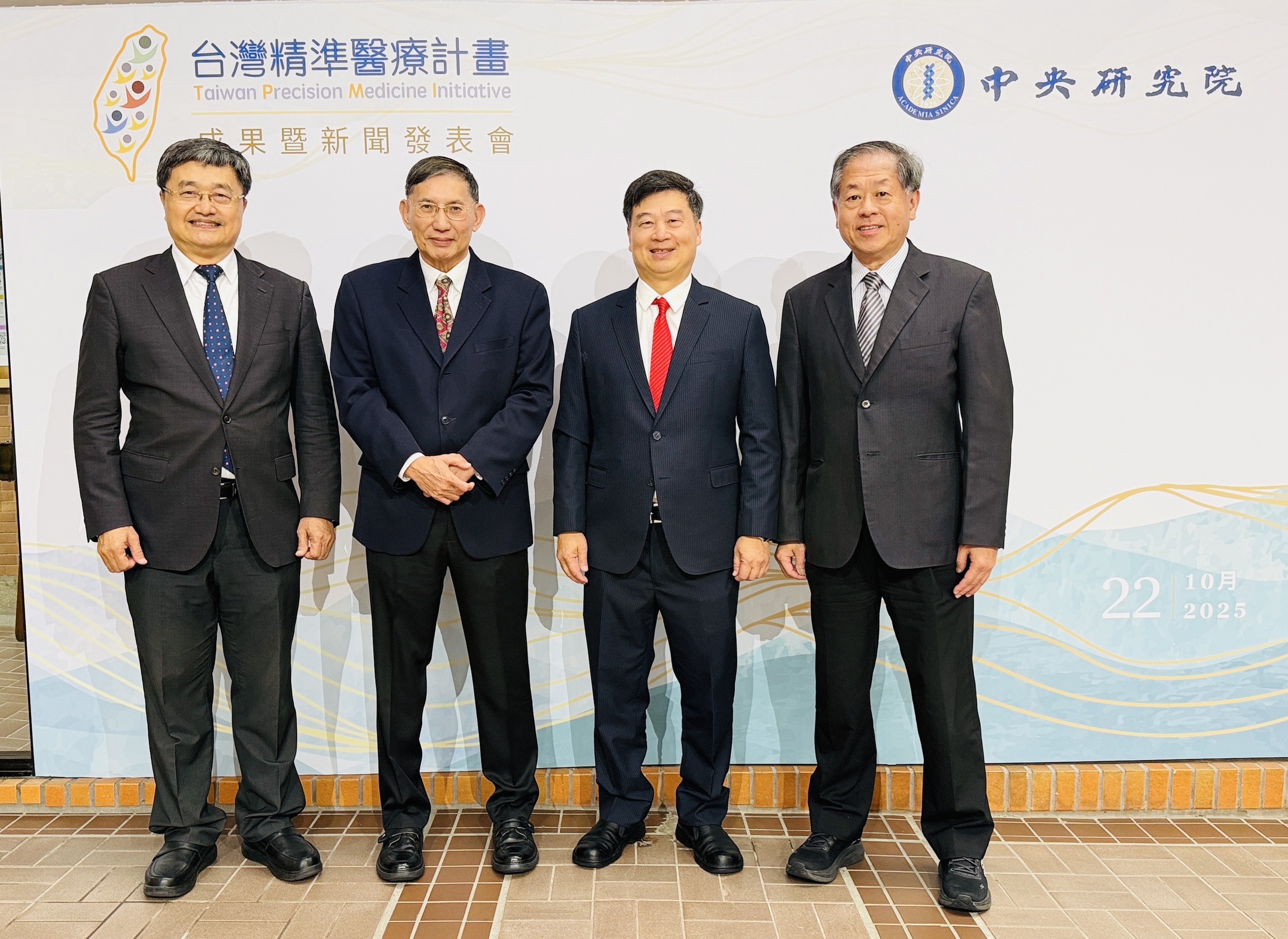
KMUH team actively participates in the Taiwan Precision Medicine Initiative, achieving publications in top journals such as Nature and Science. From left: Professor Yu-Chih Chung (TPMI Principal Investigator, KMUH), Academician Yuan-Tsung Chen (TPMI Advisor), Academician Pei-En Kuo (Founding Principal Investigator, TPMI), Professor Wen-Cheng Wu (KMUH).
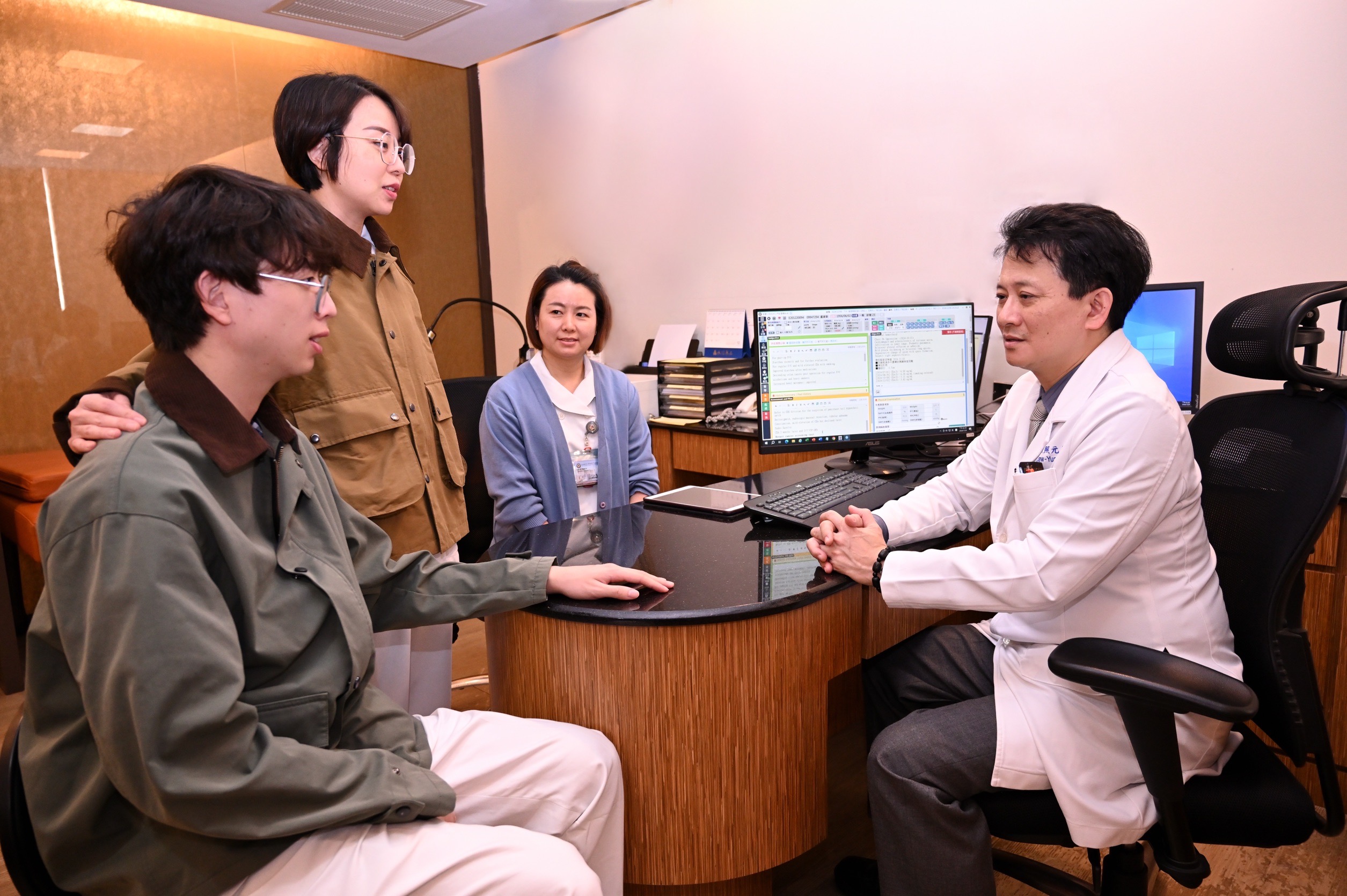
The KMUH TPMI represents the largest and most comprehensive precision medicine research network in southern Taiwan. Right 1: Superintendent Jaw-Yuan Wang, senior author of Nature paper “Population-specific polygenic risk scores developed for the Han Chinese.”
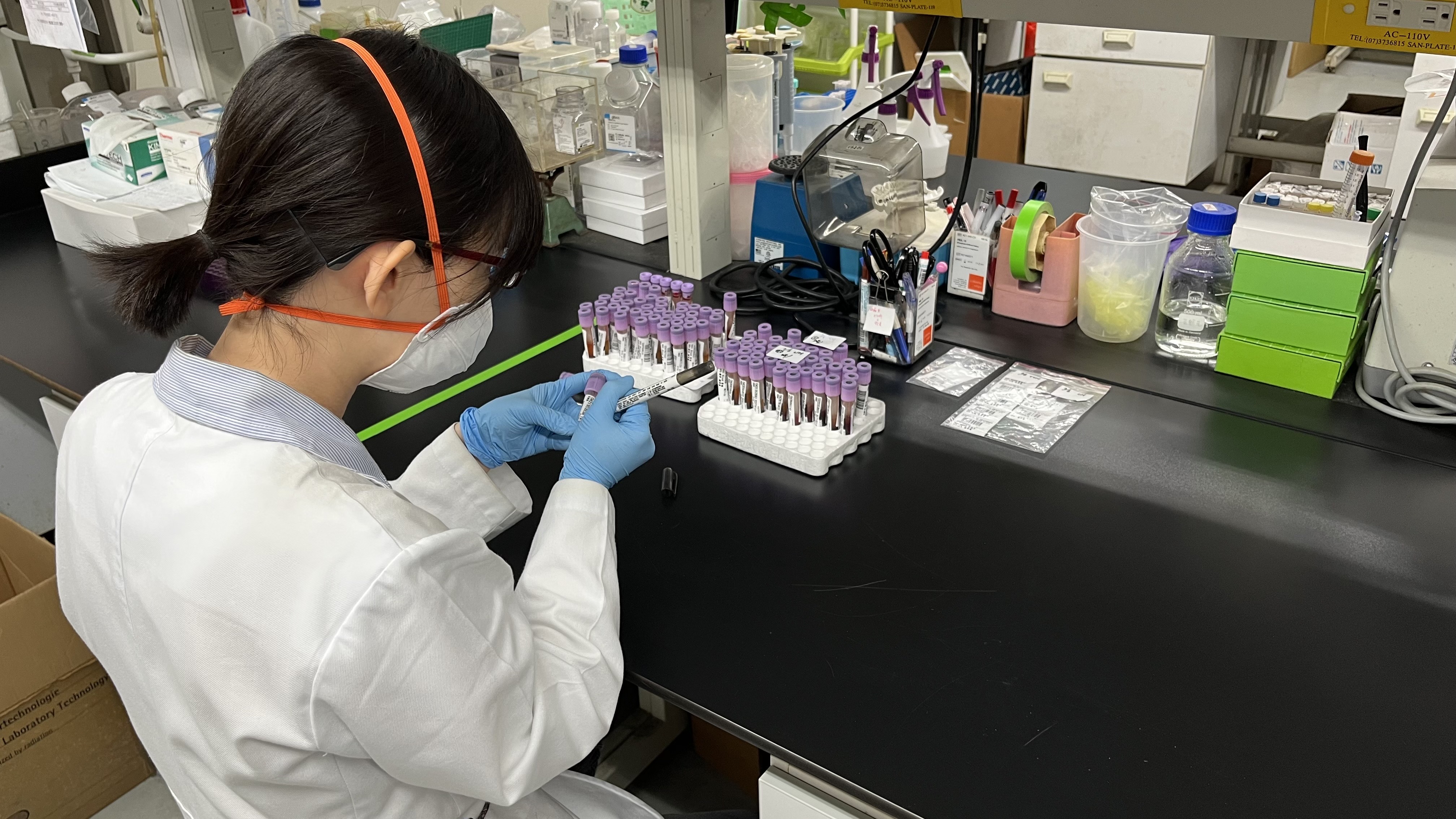
The Center for Applied Genomics at KMUH, the only team in southern Taiwan capable of independently completing TPMI genomic analyses, processes KMUH samples and assists Academia Sinica with over 30,000 samples from other collaborating hospitals.