– Kaohsiung Medical University Chung-Ho Memorial Hospital –
Colorectal cancer remains one of the leading causes of cancer incidence and mortality in Taiwan, consistently ranking among the top three cancer-related deaths. Alarmingly, the disease has shown a clear trend toward younger onset in recent years, affecting individuals in the prime of their lives and placing heavy burdens on families and society. Superintendent Wang has treated more than 5,000 colorectal cancer patients, and while surpassing 800 robotic procedures marks a historic achievement.However, he said gravely that the rising number of younger patients has made him feel an even greater sense of responsibility:
“It’s not just about helping them survive—it’s about helping them return to their families and their lives. KMUH is committed to delivering safe, professional, and comprehensive care so every patient receives the highest standard of treatment.”
One notable case involved a university professor diagnosed with low rectal cancer, with a tumor located just 3–4 centimeters from the anal verge—an extremely challenging surgical scenario. Other hospitals could not guarantee sphincter preservation, and a permanent colostomy would have significantly impacted his professional and personal life. After seeking treatment at KMUH, Superintendent Wang’s team performed da Vinci robotic surgery. Utilizing enhanced 3D visualization and precise instrument control, the team successfully removed the tumor while preserving anal function. The professor recovered well and returned confidently to the lecture hall.
Reflecting on surpassing 800 cases, Superintendent Wang notes that experience builds quality, and quality ensures patient safety. Taiwan’s most comprehensive experience curve in robotic colorectal surgery has been established at KMUH—but for him, the focus remains on collective excellence rather than personal recognition.
Interestingly, Superintendent Wang began learning robotic surgery at age 49—the oldest trainee in his cohort at the time. He humorously calls himself a “late learner,” yet perhaps the most determined practitioner. For him, surgical refinement has no finish line; as long as it benefits patients, he will continue pushing forward.
Under his leadership, KMUH has developed a systematic robotic surgical strategy. The da Vinci system provides high-resolution 3D imaging with 10× magnification and exceptional precision within the narrow pelvic cavity, significantly improving nerve preservation and sphincter-saving rates. With mature techniques in high ligation lymph node dissection and selective vascular control—combined with extended preoperative chemoradiotherapy—KMUH has achieved:
· A 31.3% pathological complete response rate in patients receiving concurrent chemoradiotherapy
· Nearly 98% sphincter preservation rates in Stage I–III patients
· A 5-year survival rate of 89%, meeting leading international benchmarks
Superintendent Wang’s team has repeatedly received the SNQ National Quality Mark for excellence in colorectal cancer treatment. KMUH is also the first hospital in Taiwan to earn dual international recognition as both a da Vinci Surgical Observation Center and a Surgical Review Corporation (SRC) Center of Excellence. More than 30 hospitals and 50 colorectal surgeons nationwide have visited KMUH for surgical observation and training.
As a university-affiliated medical center, KMUH sees its mission not only as delivering outstanding care but also as cultivating the next generation of minimally invasive surgeons—strengthening Taiwan’s capabilities in precision medicine and surgical innovation.
To meet growing surgical demand, KMUH invested over NT$100 million in May 2025, with full board support, to acquire the most advanced configuration of the da Vinci robotic surgical system. The upgrade includes southern Taiwan’s only dual-console system and an integrated operating table system.
The dual-console platform allows two lead surgeons to operate simultaneously while sharing real-time 3D visualization—enabling interdisciplinary collaboration and complex combined procedures. It also enhances surgical training in a safer and more intuitive way. The integrated operating table system enables seamless patient repositioning without disengaging instruments, improving visualization, reducing blood loss, shortening operative and anesthesia time, and further enhancing patient safety.
Superintendent Wang emphasizes that surgical excellence is not a competition of equipment, but the integration of skill, training and institutional systems. KMUH’s responsibility extends beyond treating patients—it is committed to building Taiwan’s “national team” in minimally invasive surgery, ensuring more patients benefit from safe, precise, and world-class robotic care.
Related Videos:
Reel 1 | Don’t Ignore Blood in Your Stool—Get It Checked
https://youtube.com/shorts/Rls53WxU-3U?si=lygcZ9oLP_e815IC
Reel 2 | The Value of da Vinci Robotic Surgery
https://youtube.com/shorts/UWyAE9sG4k8?si=lL3QZi3D80hYh2iO
Reel 3 | The Core of Surgery: Preserving Function
https://youtube.com/shorts/dNX4knyQxlc?si=L8GxFLXHXqAs6JLS
Reel 4 | Gut Health Essentials: What You Need to Know
https://www.facebook.com/reel/24473856838979168
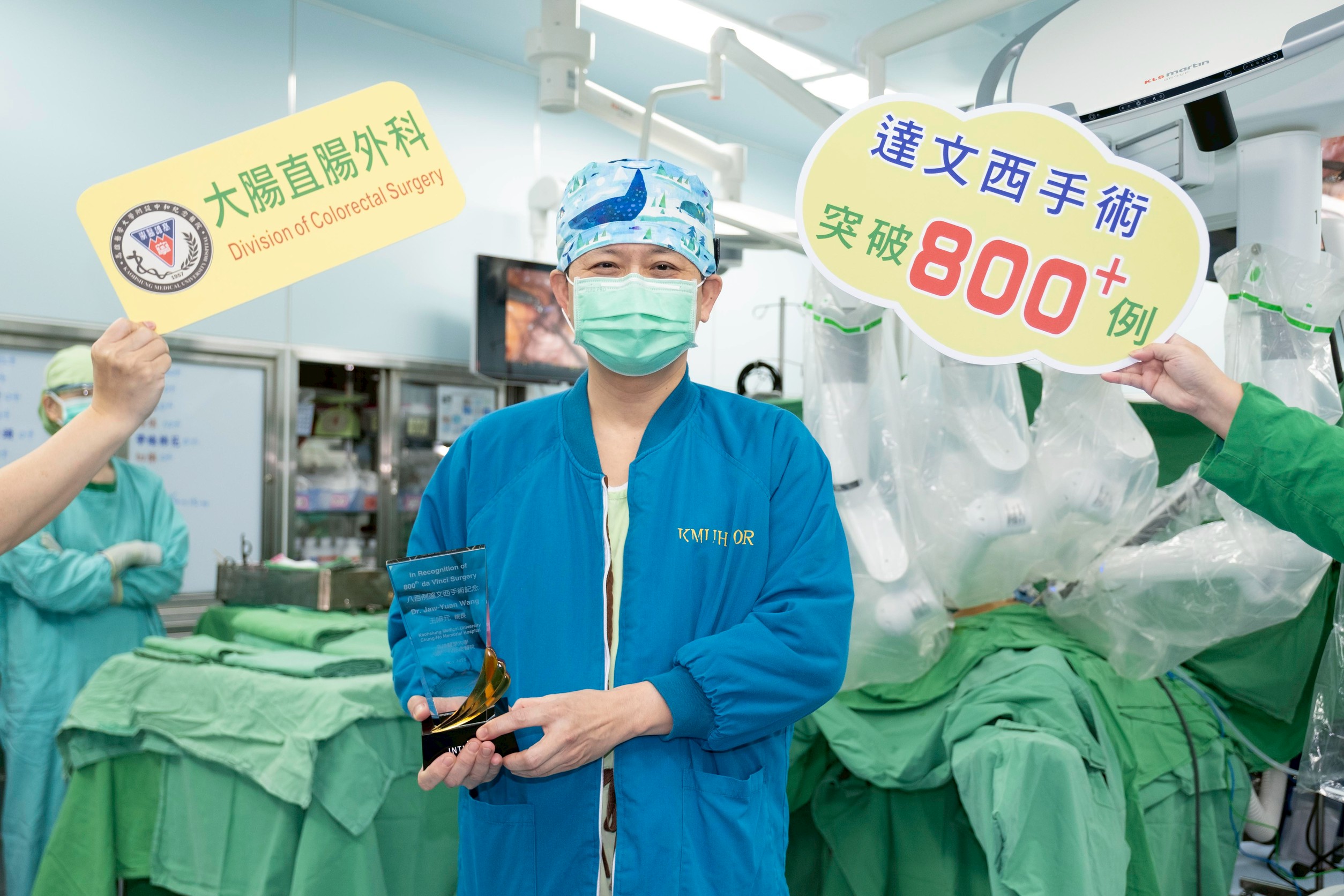
Superintendent Jaw-Yuan Wang, leading colorectal surgery expert and superintendent of KMUH, surpasses 800 da Vinci robotic surgeries—becoming the first physician in Taiwan to reach this milestone.
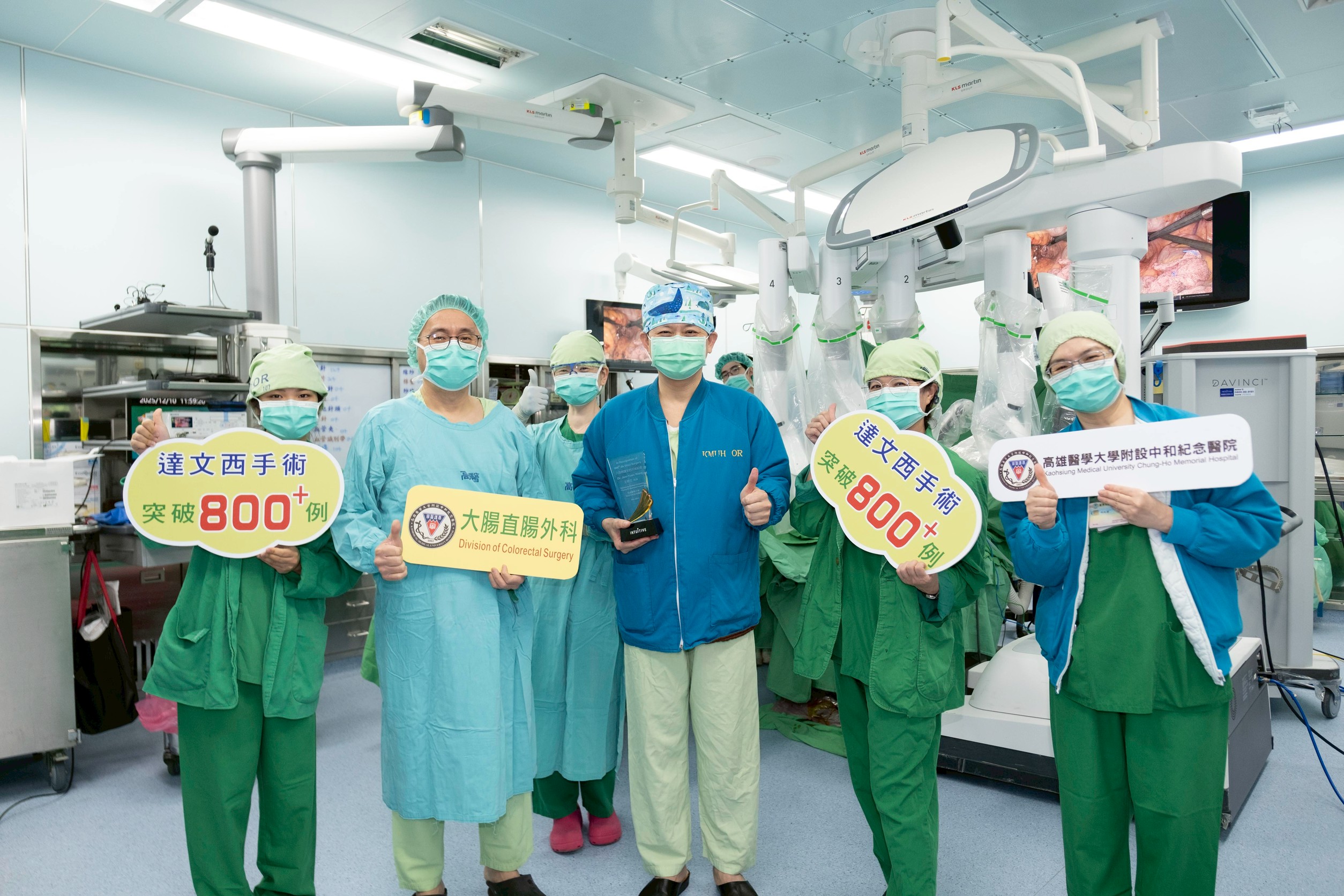
Under Superintendent Wang’s leadership, the KMUH team has treated more than 5,000 colorectal cancer patients and has received multiple SNQ National Quality Mark recognitions.
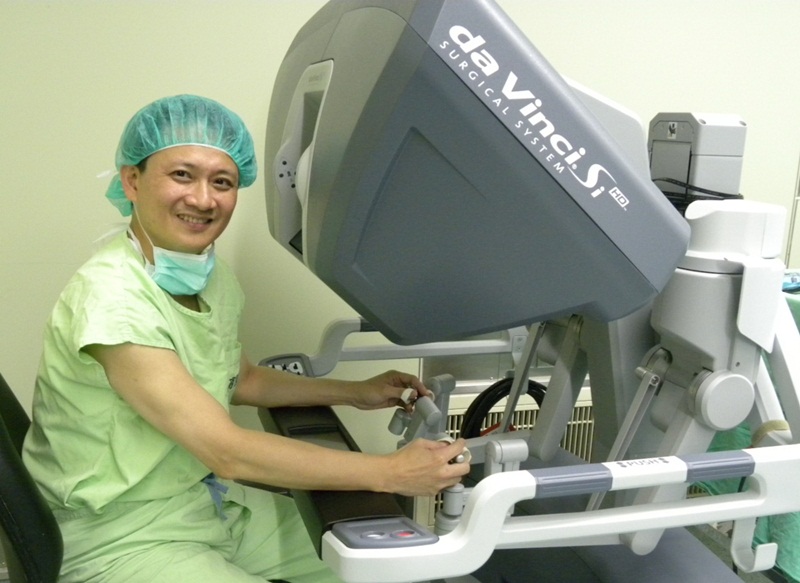
Superintendent Wang began learning robotic surgery at age 49—the oldest trainee in his cohort—jokingly calling himself a “late learner,” yet remaining steadfast in his pursuit of surgical excellence.
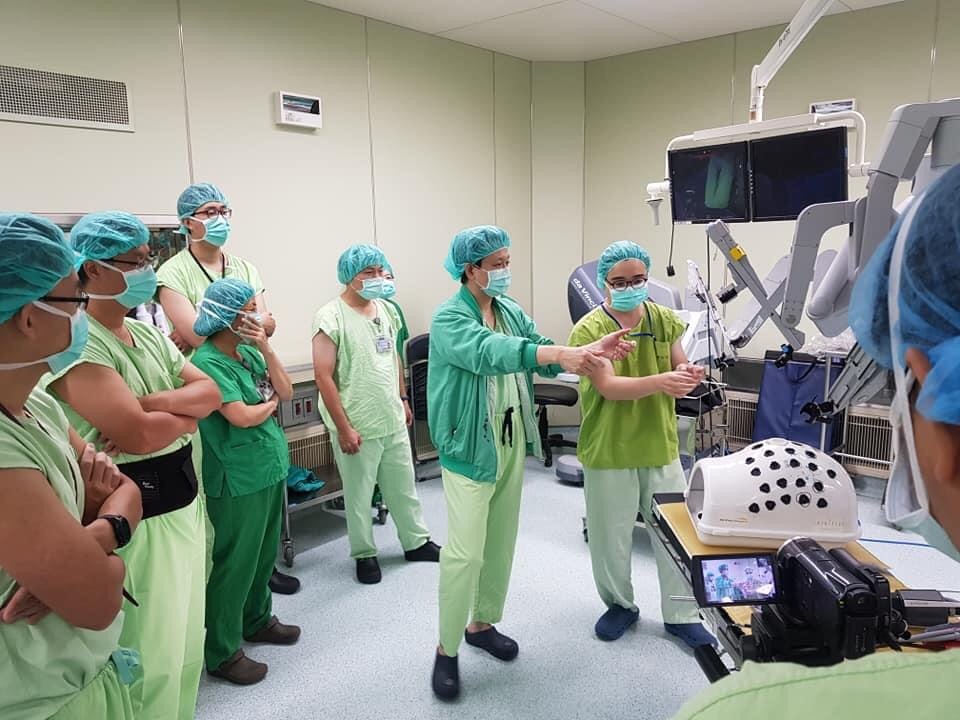
KMUH is the first hospital in Taiwan to earn both designation as a da Vinci Surgical Observation Center and dual international accreditation as an SRC Center of Excellence. More than 30 hospitals and 50 colorectal surgeons have visited for surgical observation.
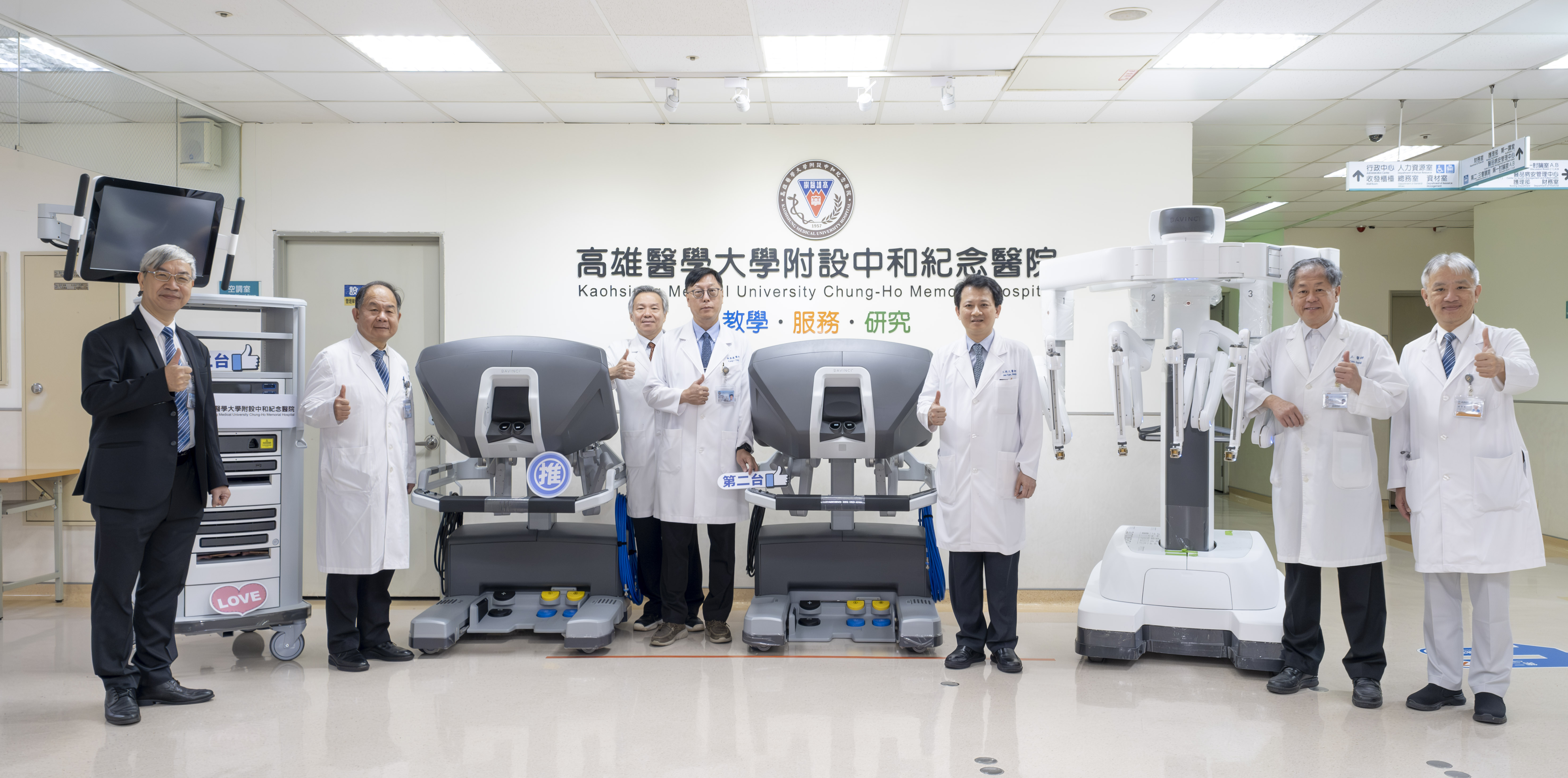
In response to increasing surgical demand, KMUH invested over NT$100 million to introduce the latest advanced da Vinci robotic system, including southern Taiwan’s only dual-console platform and integrated operating table system.
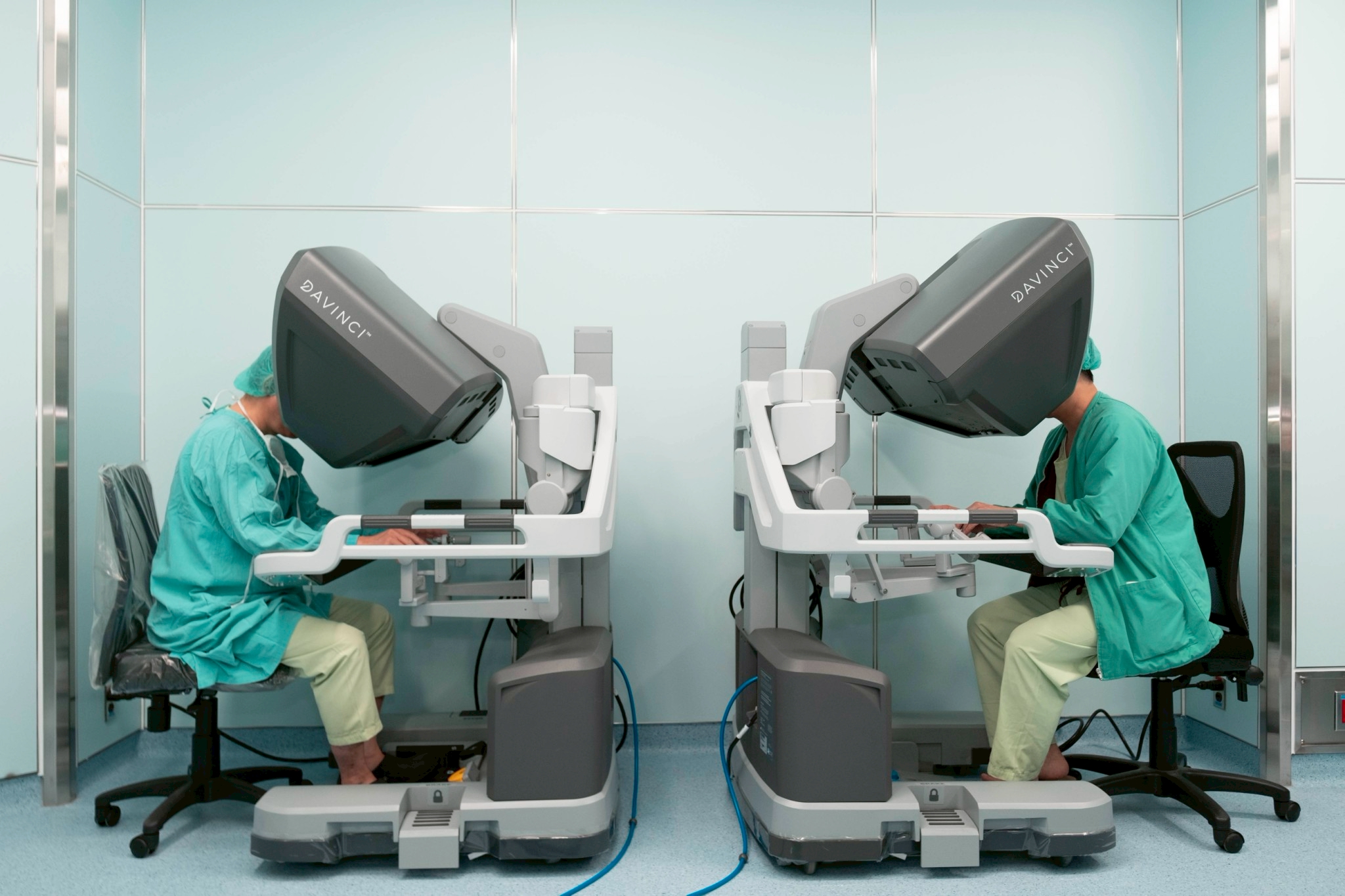
The da Vinci dual-console system enables two lead surgeons to operate simultaneously while sharing 3D imaging—facilitating interdisciplinary collaboration, complex procedures, and advanced surgical training.