-Kaohsiung Medical University Gangshan Hospital-
Kaohsiung Medical University Gangshan Hospital Successfully Removes Foreign Object Through Surgery; Physician Urges the Public to Chew Food Thoroughly to Prevent Intestinal Obstruction
A man in his 60s was recently rushed to the Emergency Department of Kaohsiung Medical University Gangshan Hospital (KMUGH) due to sudden and severe abdominal pain. After examination, he was diagnosed with intestinal obstruction. The medical team initially attempted conservative treatment, but his abdominal distension persisted without improvement. After careful evaluation, surgery was deemed necessary. Surprisingly, the cause of the obstruction was a common food item: a shiitake mushroom! Dr. Wen-Lung Su, a surgeon in the Division of General and Gastrointestinal Surgery at KMUGH, performed an exploratory laparotomy and successfully removed an entire, intact shiitake mushroom from the patient's ileum, relieving the obstruction. The patient recovered well after surgery and was discharged safely.
Upon arrival at the hospital, the patient's computed tomography (CT) scan revealed small intestinal dilatation and a transition point in the lower abdominal region, indicating an intestinal obstruction. An abdominal X-ray also showed signs of bowel obstruction and fluid accumulation. The medical team initially administered conservative treatment, including nasogastric tube decompression and fasting. However, the volume of fluid drained through the nasogastric tube remained high, and the patient's abdominal distension did not improve. An emergency exploratory laparotomy was therefore performed. During surgery, the team confirmed that a whole shiitake mushroom had become lodged in the ileum, causing a mechanical intestinal obstruction. After the foreign object was removed, the patient's condition improved, and he recovered successfully.
Dr. Su explained that certain foods can be difficult to digest, particularly those with coarse fibers or a tough, chewy texture. Examples include shiitake mushrooms, enoki mushrooms, dried bamboo shoots, and glutinous rice products. When these foods are swallowed without being chewed thoroughly, they may accumulate and become lodged in narrowed sections of the intestine or areas with reduced intestinal motility. This can lead to the formation of food masses and potentially cause complete intestinal blockage, abdominal distension, abdominal pain, and vomiting.
Regarding dietary precautions, older adults with weakened gastrointestinal function or a history of abdominal surgery should pay particular attention to their eating habits. People with poor chewing ability should especially avoid eating too quickly or swallowing large pieces of food. Everyone is encouraged to chew food thoroughly before swallowing and to avoid excessive consumption of hard-to-digest foods, such as shiitake mushroom stems, high-fiber vegetables, and dried persimmons. Drinking adequate amounts of water may also help food move more smoothly through the digestive tract.
Common warning signs of intestinal obstruction include sudden and severe cramping abdominal pain, noticeable abdominal distension, nausea, vomiting, and even an inability to pass gas or stool. Anyone experiencing these symptoms, particularly persistent abdominal pain or distension that does not improve, should seek medical attention promptly rather than endure the discomfort, as delays in treatment may lead to further complications.
Through this unusual case, KMUGH reminds the public that even common everyday foods can pose health risks if they are swallowed without sufficient chewing. Maintaining healthy eating habits and paying attention to warning signs from the body are essential to reducing the risk of intestinal obstruction.
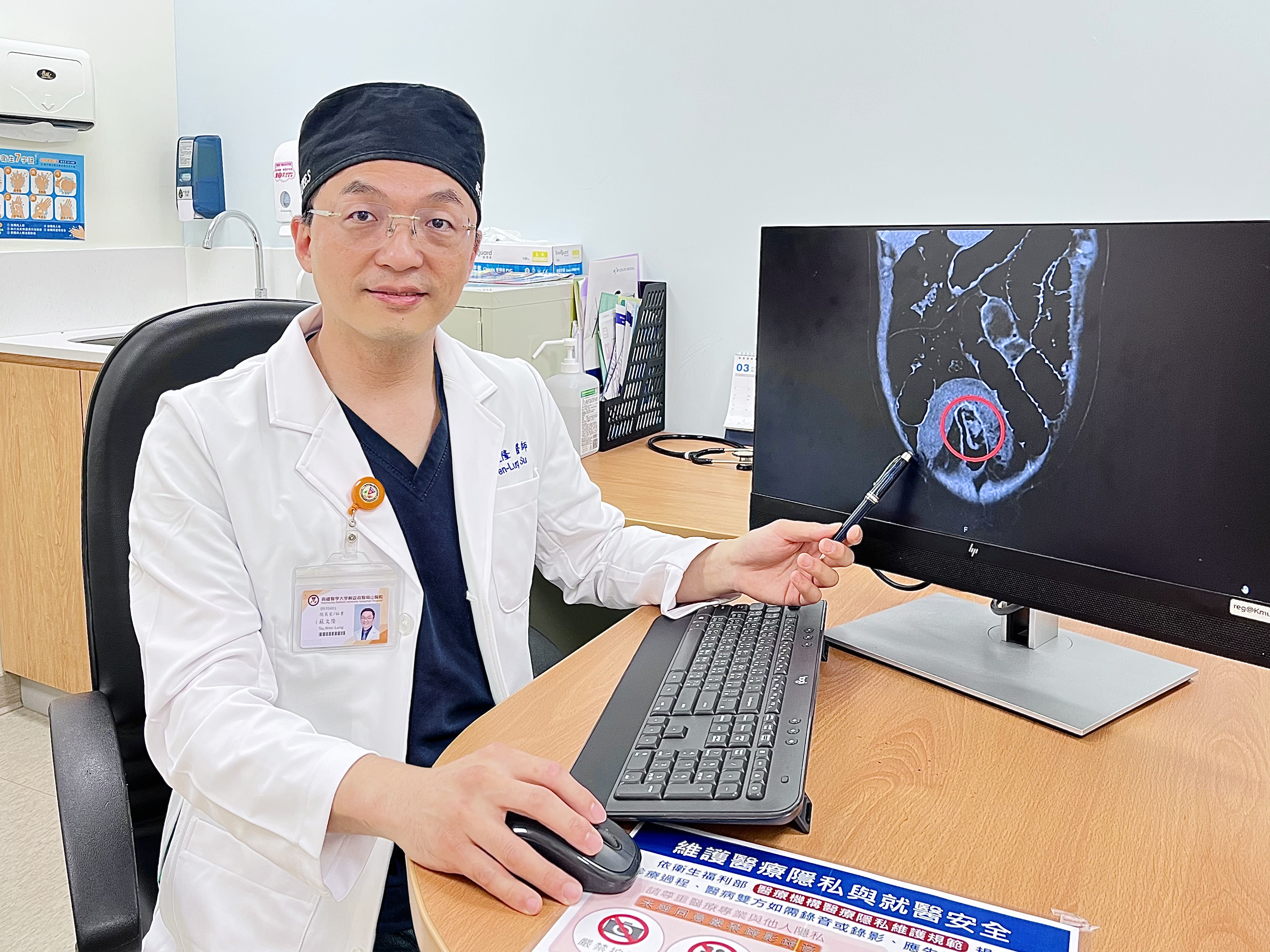
▲Dr. Wen-Lung Su, Division of General and Gastrointestinal Surgery, Kaohsiung Medical University Gangshan Hospital.
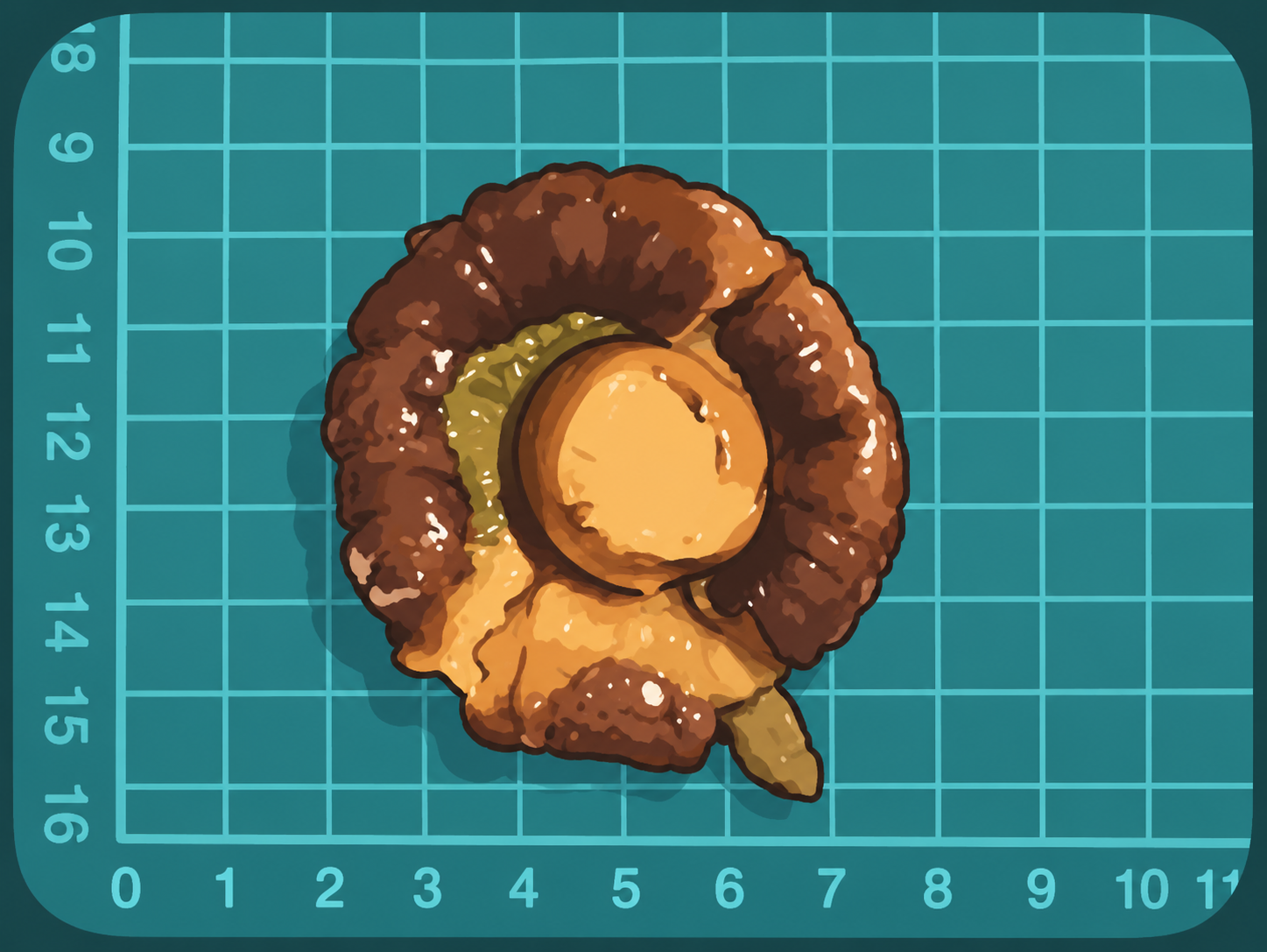
▲An entire, intact shiitake mushroom successfully removed from the patient's ileum.