– Kaohsiung Medical University Chung-Ho Memorial Hospital –
Terminal cancer patients now have renewed hope. Since November 2023, Taiwan’s National Health Insurance has officially covered CAR T-cell therapy for patients with diffuse large B-cell lymphoma (DLBCL) and B-cell acute lymphoblastic leukemia (B-ALL), providing conditional reimbursement. These diseases have long been among the most challenging hematologic malignancies, with limited treatment options once relapse occurs. CAR T-cell therapy is a highly personalized immunotherapy that can give patients, previously with almost no options, a second chance.
Kaohsiung Medical University Chung-Ho Memorial Hospital (KMUH) underwent rigorous international expert review and became the only medical center in southern Taiwan authorized to perform CAR T therapy under national health insurance. All team members have passed relevant quality certifications. Since launching, KMUH has successfully completed 20 CAR T treatments, demonstrating that advanced cell therapies are no longer limited to northern medical centers. This milestone marks the localization of cutting-edge medical care in southern Taiwan and aligns KMUH’s multidisciplinary teams with international standards.
The first CAR T patient at KMUH was a middle-aged man with relapsed DLBCL, who had previously undergone chemotherapy, targeted therapy, and hematopoietic stem cell transplantation, yet experienced relapse. As the family’s primary support, he and his family were physically and mentally exhausted. Upon learning that KMUH was qualified for CAR T therapy, he transferred to KMUH for a last-line treatment. Following health insurance approval, cell collection, and bridging therapy, he received CAR T-cell infusion. Under multidisciplinary care, he successfully managed treatment-related complications, was discharged, and has remained relapse-free for over a year, returning to work. He is not only the first patient but also a pivotal witness to the new hope for CAR T therapy in southern Taiwan.
Vice Superintendent Chia-Yen Dai emphasized that as a university-affiliated medical center, KMUH adheres to a patient-centered philosophy and has long invested in critical and complex disease care. For hematologic malignancies, relapsed or refractory DLBCL and B-ALL are among the most challenging. Patients often face “what’s next?” after exhausting chemotherapy, targeted therapy, and stem cell transplantation. KMUH takes full responsibility, not only by introducing CAR T but also by establishing a complete system, multidisciplinary execution, and clinical quality control, providing southern Taiwan patients with new treatment options. Referral and collaborative care mechanisms have been established with multiple hospitals in Kaohsiung, Pingtung, and Tainan, allowing seamless coordination between hematologists and case managers. Patients no longer need to travel far to access care. KMUH’s goal is clear: bring internationally benchmarked advanced therapies to southern Taiwan, turning treatments once considered “last resorts” into realistic options for patients and families.
Dr. Yi-Chang Liu, Director of KMUH Hematology and Cell Therapy Research Center, explained that CAR T therapy is not a single procedure. It combines cell therapy, gene therapy, and immunotherapy into an integrated medical intervention. KMUH has built a multidisciplinary care system including hematology, intensive care, infectious disease, neurology, pharmacy, laboratory medicine, cell therapy and research center, nursing, and dedicated case managers. This system provides comprehensive evaluation, treatment, inpatient monitoring, and long-term follow-up. The regional collaboration model is crucial because many relapsed or refractory patients are physically weak and immunocompromised, making long-distance travel burdensome. Family members also face medical, financial, and caregiving pressures. KMUH’s model emphasizes “regional relay” care rather than single-center concentration, enabling local hematologists to work with KMUH CAR T teams to deliver integrated advanced care.
Dr. Shih-Feng Chuo, attending physician of KMUH Hematology, highlighted that CAR T therapy allows clinicians to offer patients a new treatment pathway. For these patients, traditional options are almost exhausted; the question is not “which drug to try next,” but “are there any options at all?” CAR T is not a guaranteed cure; risks such as acute inflammatory reactions and neurological changes remain, requiring intensive care at the appropriate time. Nevertheless, it provides a critical opportunity to give patients a fighting chance. For clinicians, being able to say, “We can still try this,” after patients have heard “options are limited” multiple times, is profoundly meaningful.
CAR T-cell therapy (Chimeric Antigen Receptor T-cell therapy) is one of the most significant breakthroughs in hematologic malignancies in recent years. It is not simply another drug but a highly personalized immunotherapy: T lymphocytes are collected from the patient, genetically modified and activated to recognize and attack malignant lymphoma or leukemia cells, and reinfused, creating long-lasting, targeted anti-tumor activity. Success depends not only on reinfusion but also on rigorous clinical evaluation, including overall fitness and organ function. Treatment can trigger unique immune responses requiring real-time intervention by a multidisciplinary care team. Therefore, CAR T is a systemic therapy, and KMUH continues to invest in basic and clinical research in cellular and immunotherapies, aiming to provide southern Taiwan patients with accessible cutting-edge care and comprehensive medical support.
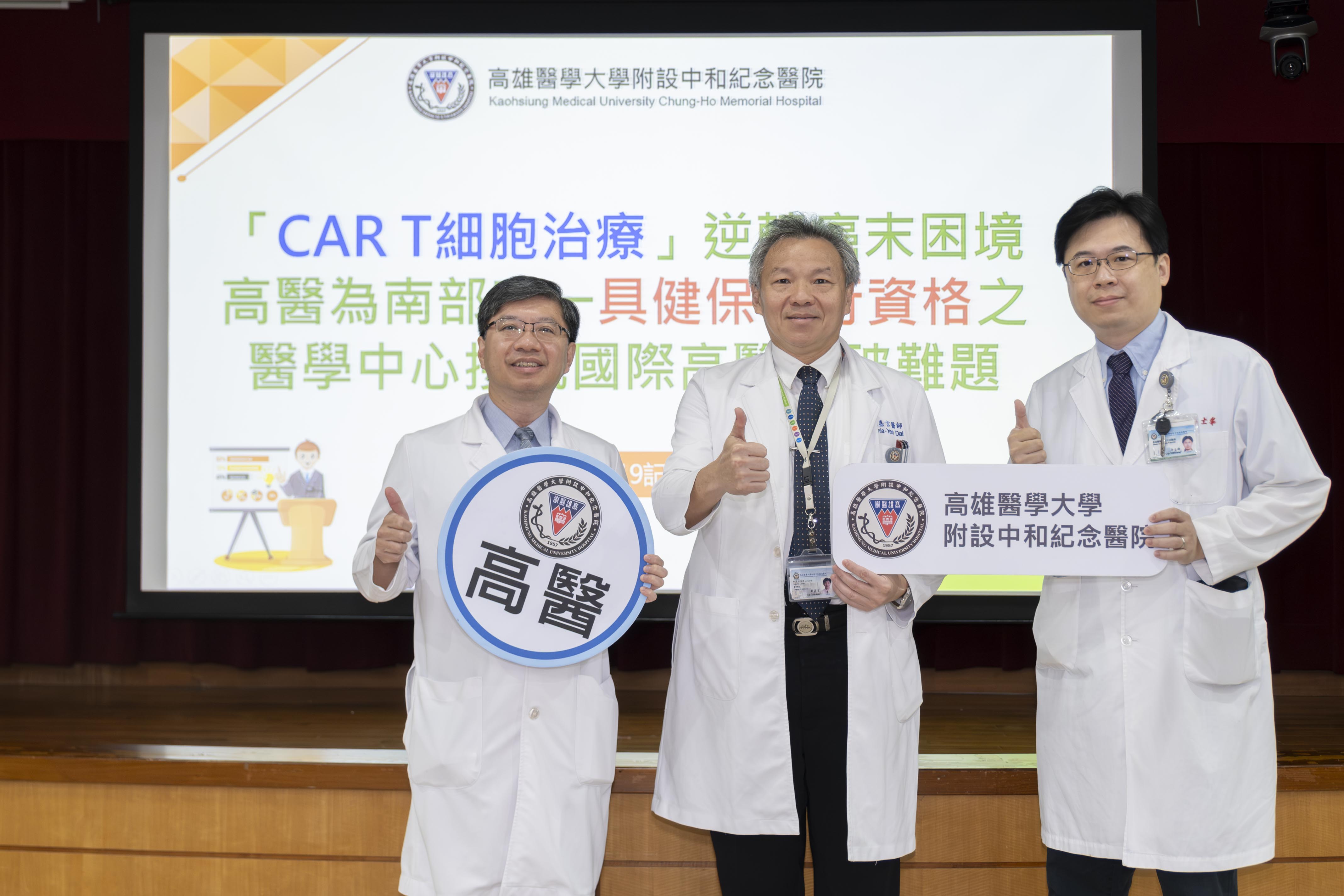
KMUH has established the only CAR T therapy system in southern Taiwan approved under national health insurance, symbolizing the local implementation of advanced treatment. From left: Dr. Yi-Chang Liu, Vice Superintendent Chia-Yen Dai, Dr. Shih-Feng Chuo.
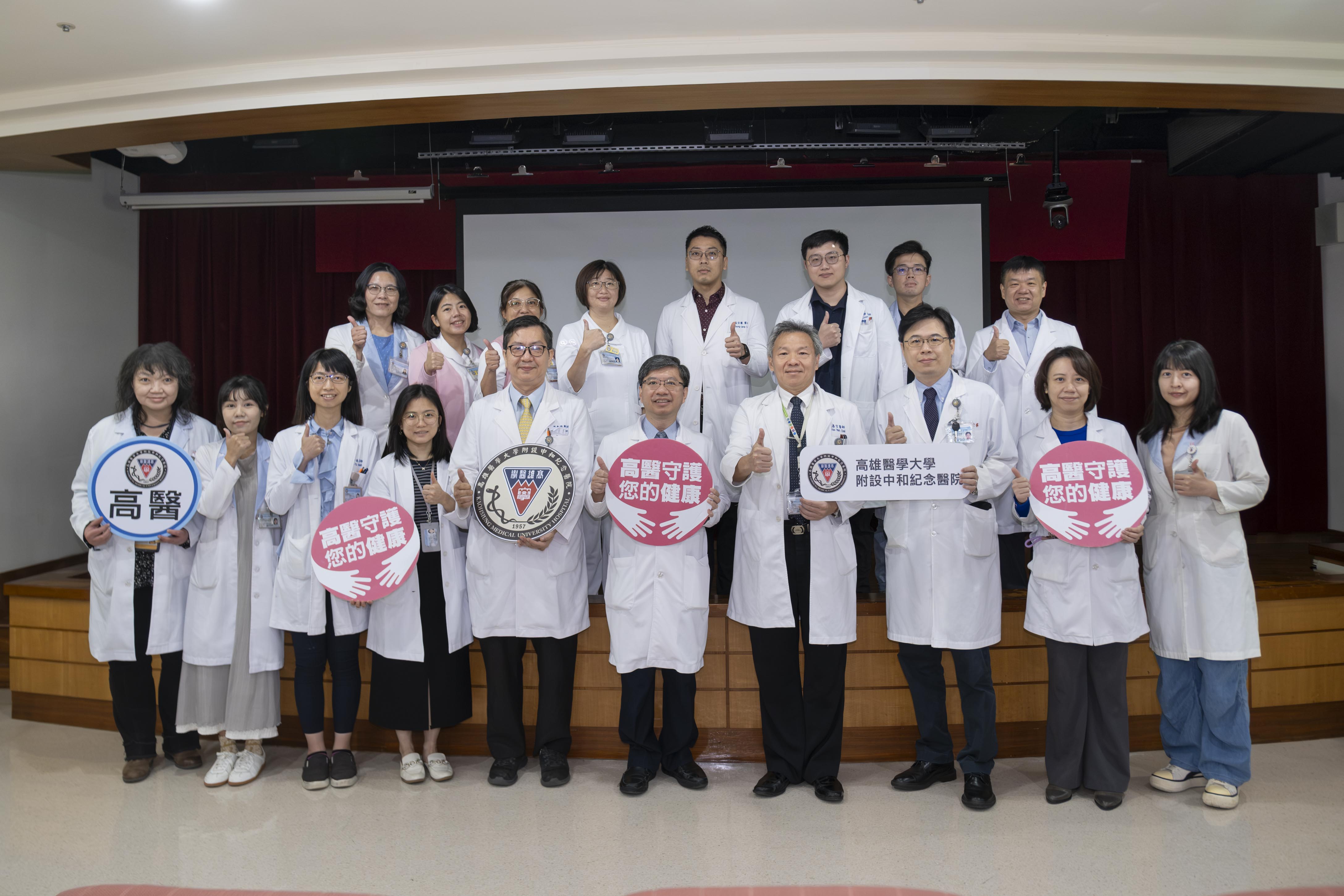
CAR T therapy is a comprehensive integrated medical process. KMUH’s hematology, intensive care, neurology, infectious disease, pharmacy, laboratory, and nursing teams collaborate to provide meticulous, multidisciplinary care for each patient.
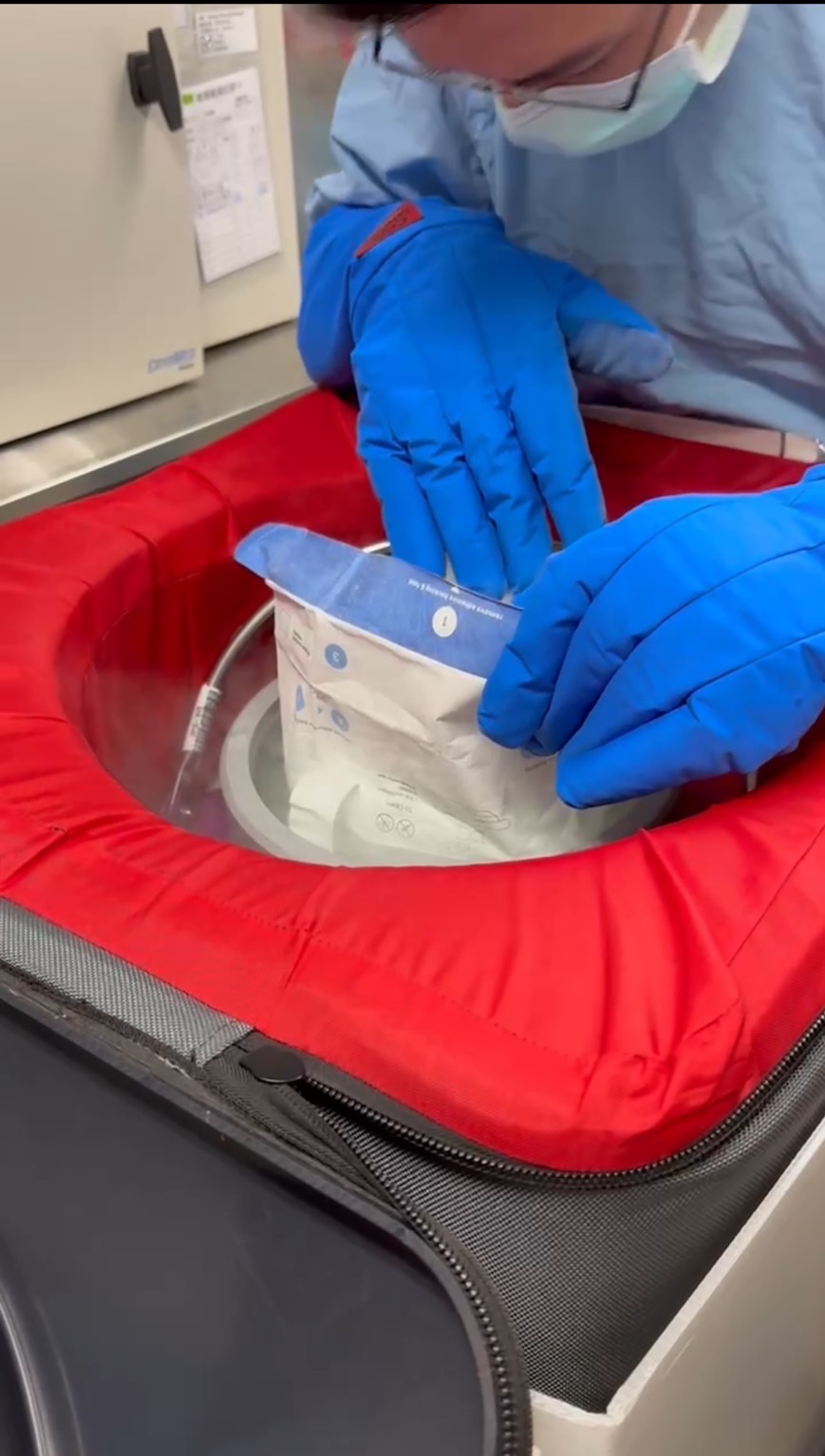
CAR T-cell therapy represents a highly integrated form of immune cell therapy. Through real-time assessment and management of treatment-related immune responses, the clinical team demonstrates internationally recognized expertise and capacity in advanced cellular therapy.
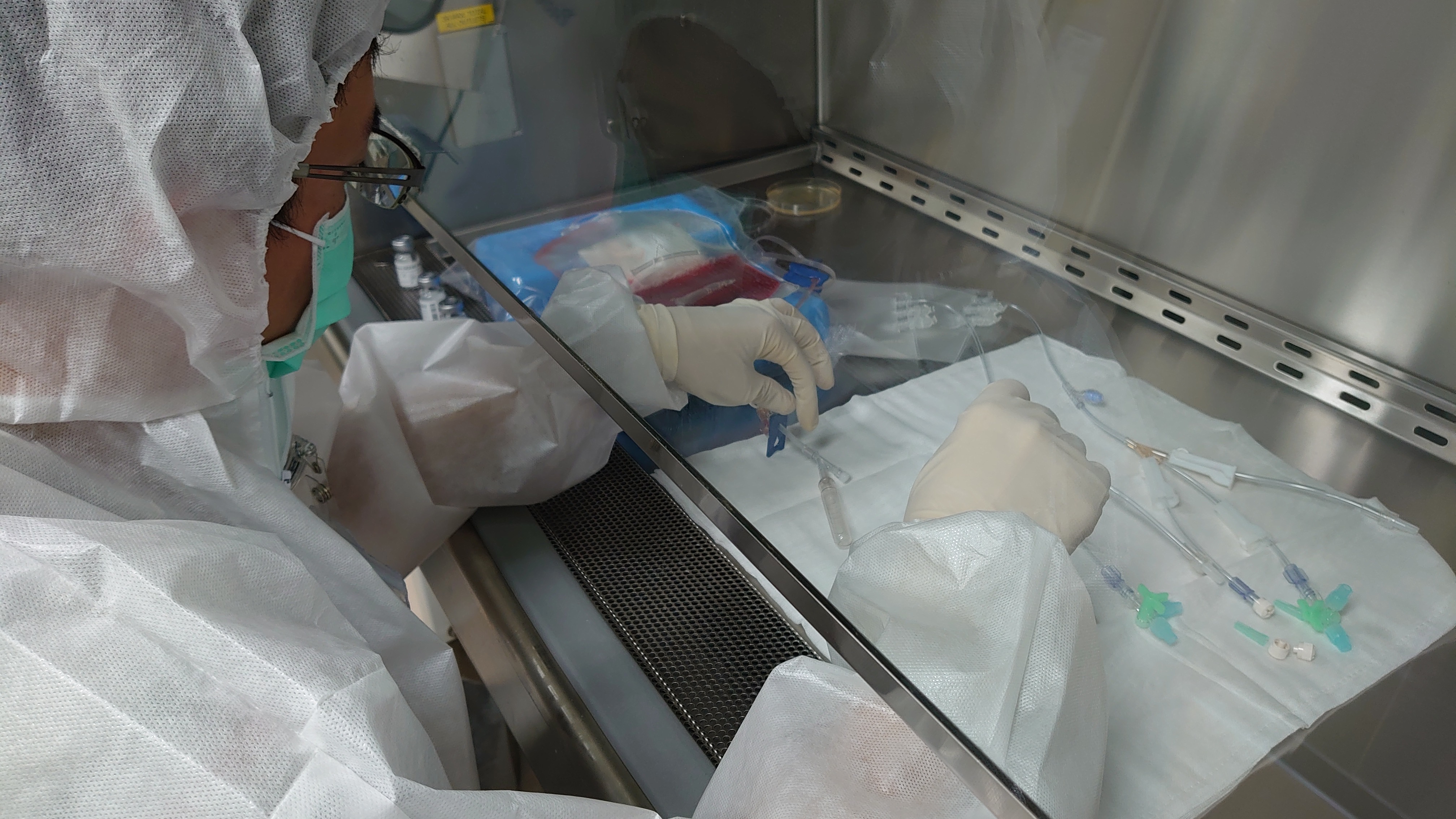
KMUH is the only medical center in southern Taiwan accredited under the National Health Insurance program to provide CAR T-cell therapy. Following international standard protocols—from patient evaluation and cell infusion to long-term post-treatment follow-up—the multidisciplinary team delivers accessible and comprehensive immune cell therapy for patients with relapsed or refractory hematologic malignancies, bringing cutting-edge medicine into clinical practice in southern Taiwan.
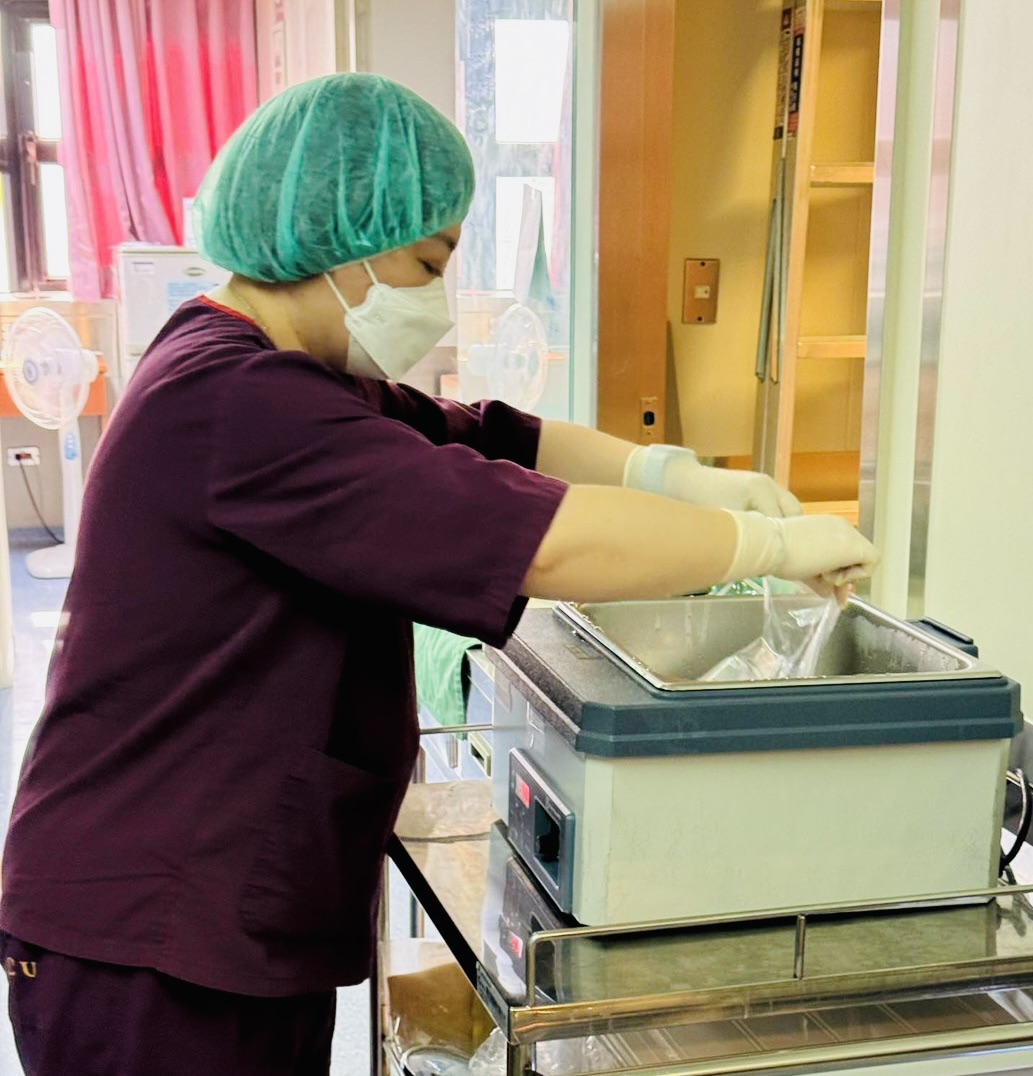
The CAR T-cell therapy team at KMUH conducts pre- and post-treatment clinical assessments and provides real-time patient care in the inpatient setting, ensuring that CAR T-cell therapy is delivered safely and precisely during high-risk treatment phases at Kaohsiung Medical University Chung-Ho Memorial Hospital.