Team Member: Chia-Hsin Chen, Yi-Jen Chen, Chi-Yu Hung, Yu-Chia Cheng, Tzu-Hsuan Yang, Jeng-Jer Lin, Kuan-Yen Chen
The invention awarded in the 21st National Innovation Award and the international Student Rehabilitation Engineering and Assistive Technology Innovation Competition is primarily designed to aid patients who experience tongue weakness after a stroke or brain injury, leading to swallowing difficulties or unclear speech. We used 3D printing technology to create a silicone tongue stretching cup, allowing patients to place their tongue inside for safe and comfortable training.
This device can be connected to a vibrator motor and integrated with an interactive, game-based system. Users perform tongue movements in multi- directions, according to the instructions. During training, vibration frequency and tension intensity can be adjusted based on the user’s clinical condition, making rehabilitation more personalized while enhancing motivation and engagement.
To objectively evaluate its effectiveness, our team incorporated a wireless EEG detector to monitor real-time changes of electric signal during training. Experimental results showed that tongue exercises altered the activity in the left temporal and motor cortical areas, indicating the training effectively stimulated neural functions related to oral movement.
In a real case, a 75-year-old stroke patient who initially required nasogastric tube feeding showed significant improvement.
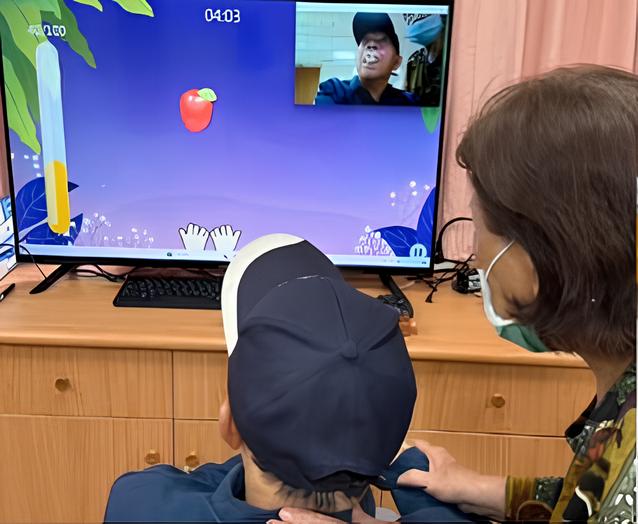
Figure 1. Patient performing a tongue training game.
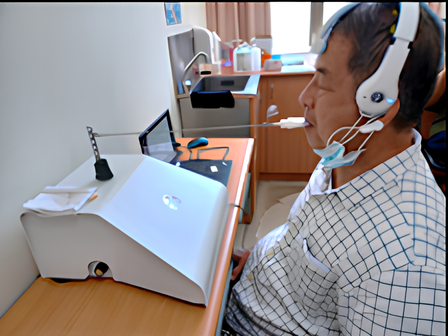
Figure 2. Patient undergoing EEG measurement.
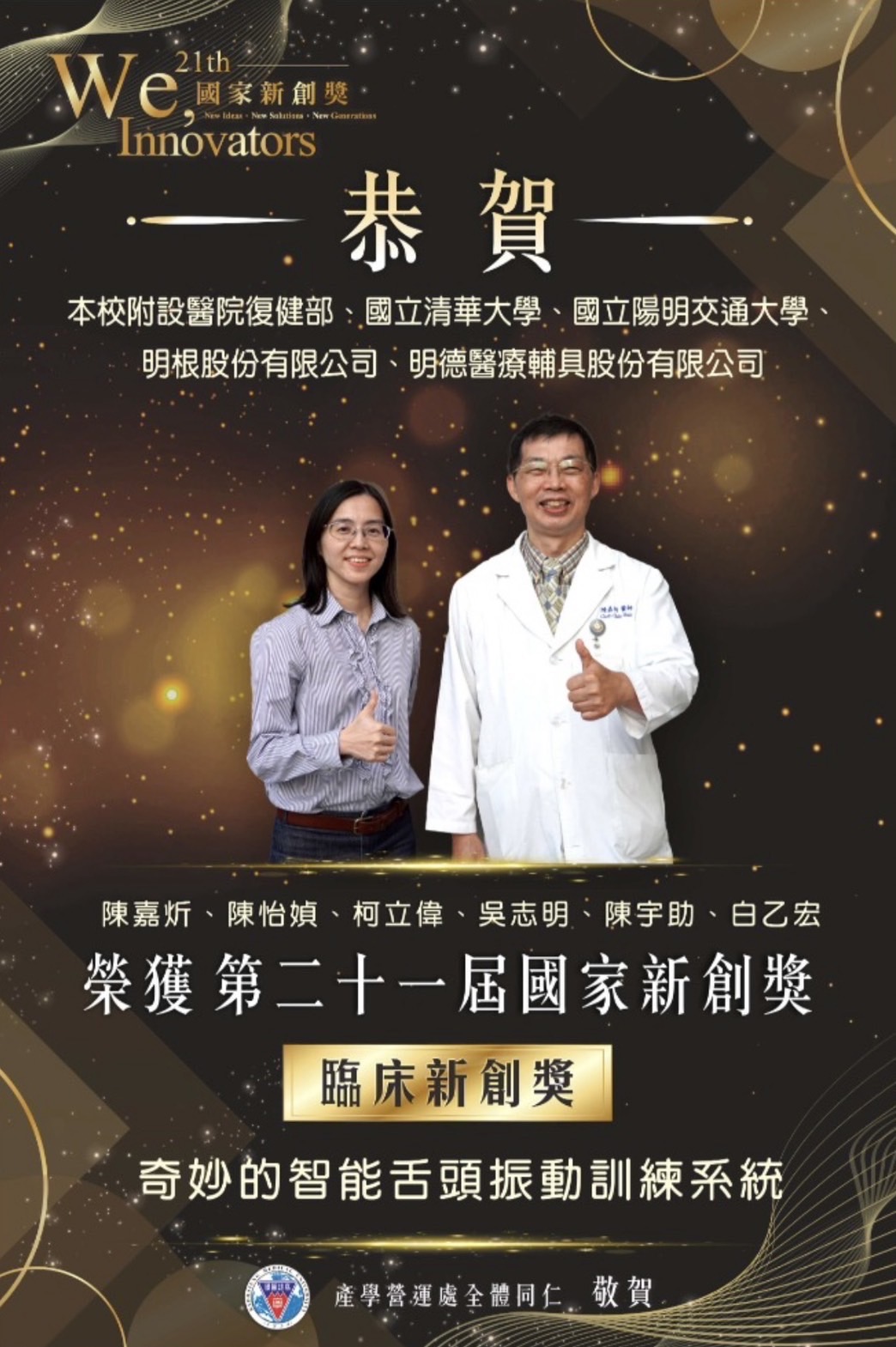
Figure 3. Award recognition of Dr. Chia-Hsin Chen’s team.
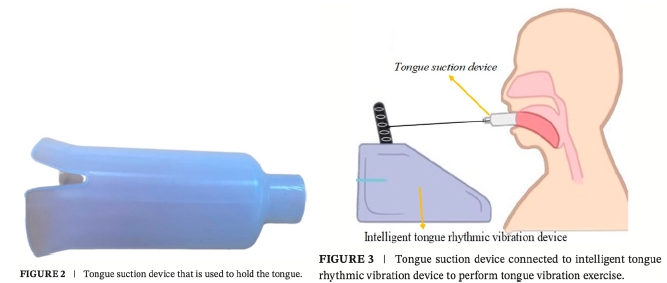
Figure 4. Silicone tongue stretching cup and the intelligent tongue rhythmic vibration device
Chen, Y.-J., Chueh, C.-H., Chiang, T.-H., Lee, C.-L., Lin, K.-L., & Chen, C.-H. (2026). The Effect of Tongue Vibration Exercise Combined With Oromotor Training on Tongue Function in Older Adults. Journal of Oral Rehabilitation, 53(1), 89-96. https://doi.org/10.1111/joor.70063