-Kaohsiung Municipal Siaogang Hospital
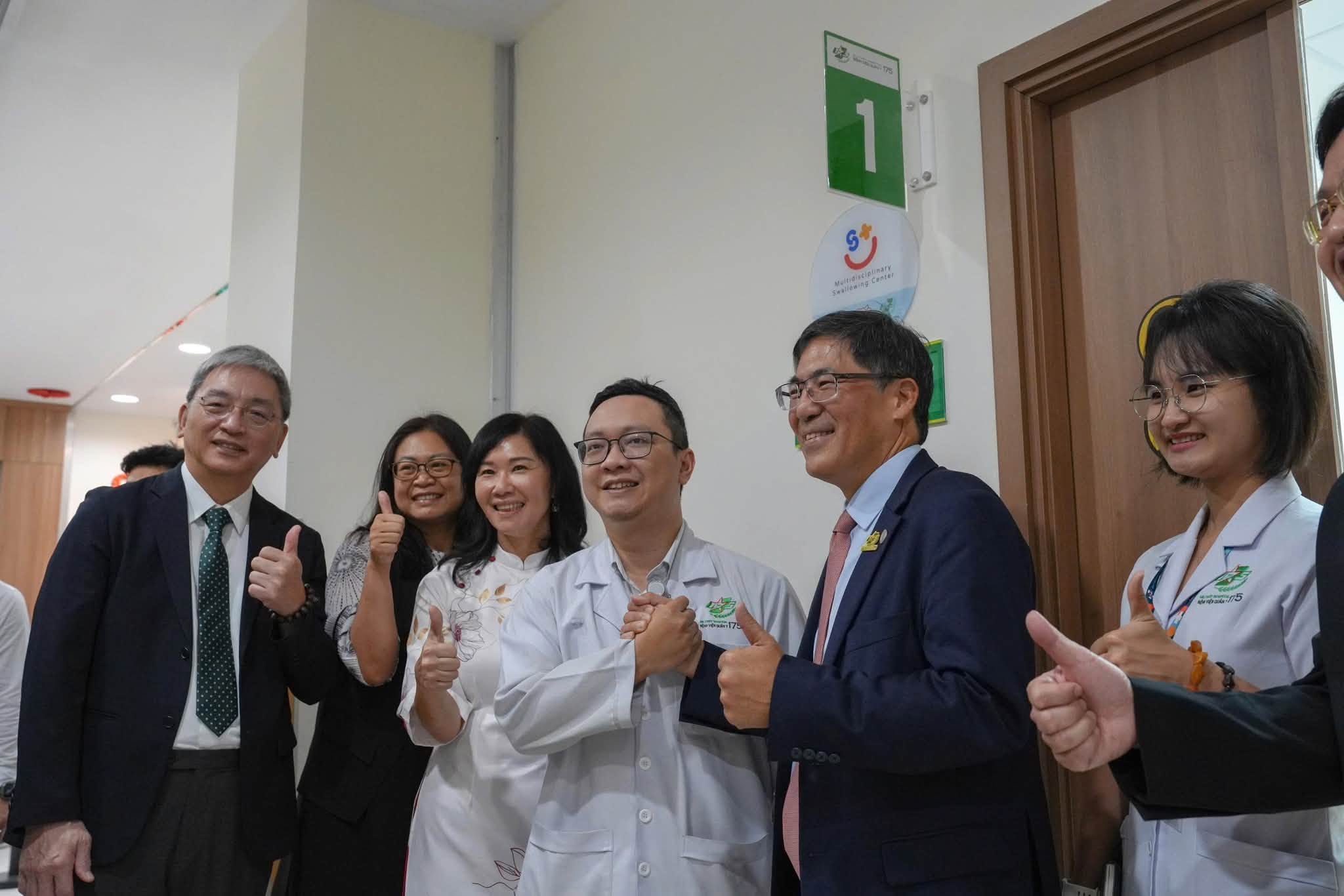
The Kaohsiung Medical University (KMU) Healthcare System has taken another significant step forward in international medical collaboration. Kaohsiung Municipal Siaogang Hospital, together with Kaohsiung Municipal Gangshan Hospital, Yuh-Ing Junior College of Health Care and Management, and long-term care partners including Bozheng Long-Term Care Group, Chong-En Long-Term Care Group, and Miranda Home Nursing Care, visited Vietnam to strengthen international healthcare exchanges. During the visit, the delegation met with local healthcare groups and educational institutions and jointly signed 10 cooperation agreements covering acute medical care, long-term care, medical education, and professional training, further strengthening the collaborative network between Taiwan and Vietnam.
The delegation visited several major healthcare and educational institutions in Vietnam to establish substantive partnerships, including Hoan My Saigon Hospital of Hoan My Medical Group, Carmel International Hospital, Military Hospital 175, Hong Duc Medical Group (Hong Duc Medical and Pharmaceutical College, Hong Duc General Hospital III, and Hong Duc General Hospital II), and Nguyen Hoang Group (Hong Bang International University and Hong Bang International University Hospital). During the visit, Siaogang Hospital arranged to sign Memoranda of Understanding (MOUs) with Hong Duc Medical and Pharmaceutical College, Hong Duc General Hospital III, Hong Duc General Hospital II, Hong Bang International University, and Hong Bang International University Hospital, as well as a cooperation agreement with Military Hospital 175.
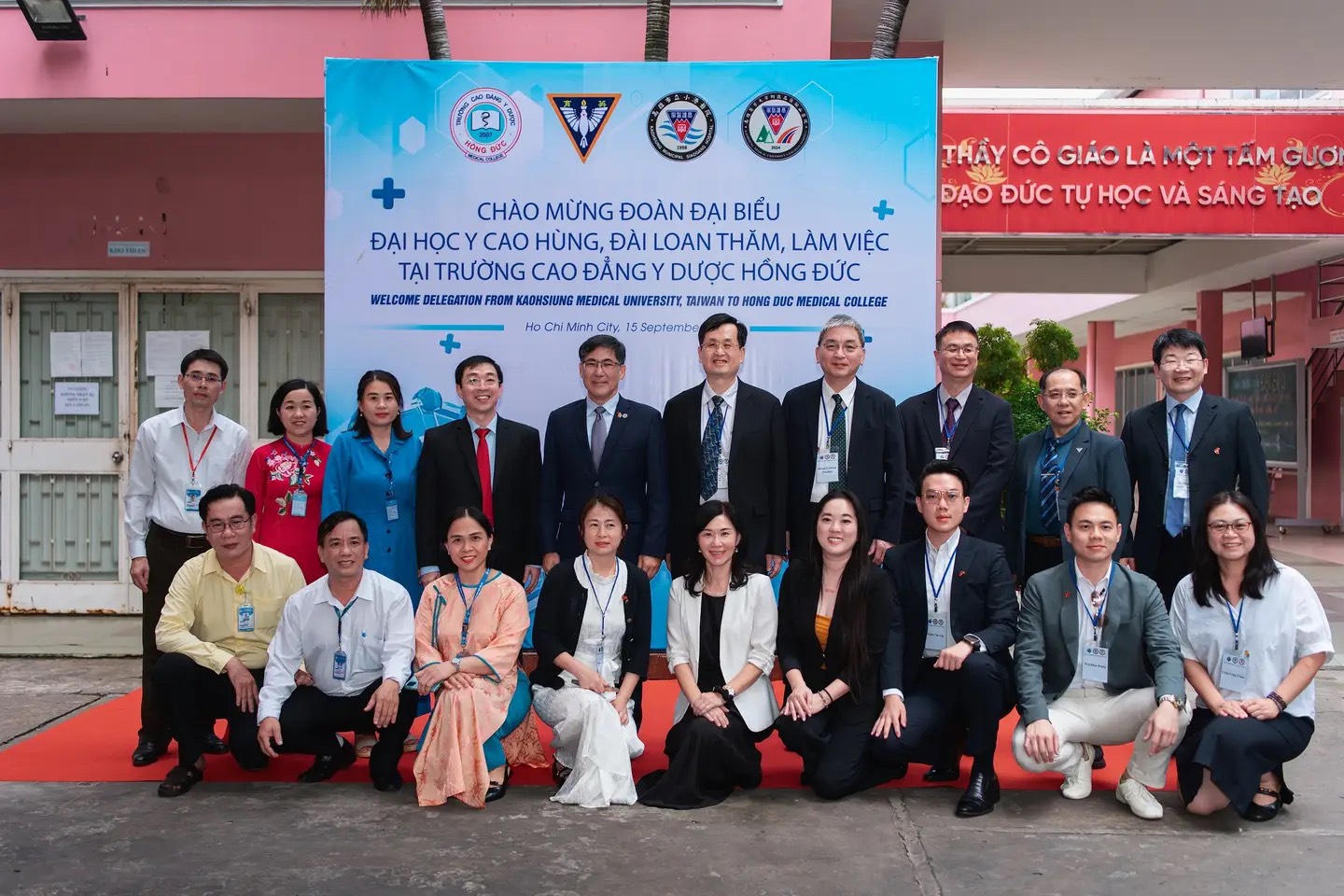
On September 15, the delegation visited the Hong Duc Healthcare System in Ho Chi Minh City, including Hong Duc Medical and Pharmaceutical College, Hong Duc General Hospital III, and Hong Duc General Hospital II, and signed a Memorandum of Understanding (MOU) with Hong Duc Medical Group. During the signing ceremony, Dr. Chang Ting-Chin, Medical Director of Hong Duc General Hospital II and President of Hong Duc Medical and Pharmaceutical College, expressed his hope for future collaboration with Siaogang Hospital and Gangshan Hospital in medical specialties and hospital management. He emphasized the importance of promoting professional exchanges and training opportunities for physicians, nurses, and medical technicians. Initial cooperation could begin through online exchanges and short-term training programs, gradually expanding to reciprocal visits by healthcare professionals and the sharing of hospital management expertise.
Chen Chien-Chih, Chairman of the Board of Trustees of Kaohsiung Medical University, emphasized that healthcare transcends national boundaries. He noted that the KMU Healthcare System remains committed to promoting international medical exchanges by sharing Taiwan's accumulated clinical expertise and healthcare professional training models with Vietnamese partners, while also learning from Vietnam's practical experiences. Through discussions with several hospitals during this visit, both sides reached concrete agreements on future cooperation in professional training and academic degree programs, specialized medical technology transfer and technical guidance, telemedicine, and cross-border medical consultations. Looking ahead, the KMU Healthcare System will continue to strengthen professional exchanges and medical collaboration to establish stable, long-term partnerships.
Hung Chih-Hsing, Superintendent of Kaohsiung Municipal Siaogang Hospital, stated that one of the most important aspects of this visit was bringing the hospital's collaborative partners together to expand their international engagement. The 10 cooperation agreements encompass acute medical care, long-term care, educational partnerships, and professional training, creating opportunities for deeper and more comprehensive exchanges between Taiwan and Vietnam. He further noted that discussions with Vietnamese healthcare institutions over the past several days had already produced concrete directions for collaboration, including healthcare professional training, specialized medical technology exchanges, telemedicine and cross-border consultations, as well as the development of chewing and swallowing care models and specialized care centers. He expressed hope that these initiatives would be implemented progressively, turning the agreements into meaningful and sustainable cooperation.